ABCbiolab
SKU:ABCCS63329
UBC Antibody
UBC Antibody
Couldn't load pickup availability
Size
100ul
Clone Number
Aliases
UBC antibody; Polyubiquitin-C [Cleaved into: Ubiquitin] antibody
Immunogen Species
Homo sapiens (Human)
UniProt ID
P0CG48
Immunogen
Peptide sequence from Human Polyubiquitin-C protein (19-36AA)
Raised in
Rabbit
Species Reactivity
Human
Tested Applications
ELISA, WB; Recommended dilution: WB:1:1000-1:5000
Background
Ubiquitin: Exists either covalently attached to another protein, or free (unanchored). When covalently bound, it is conjugated to target proteins via an isopeptide bond either as a monomer (monoubiquitin), a polymer linked via different Lys residues of the ubiquitin (polyubiquitin chains) or a linear polymer linked via the initiator Met of the ubiquitin (linear polyubiquitin chains). Polyubiquitin chains, when attached to a target protein, have different functions depending on the Lys residue of the ubiquitin that is linked: Lys-6-linked may be involved in DNA repair; Lys-11-linked is involved in ERAD (endoplasmic reticulum-associated degradation) and in cell-cycle regulation; Lys-29-linked is involved in lysosomal degradation; Lys-33-linked is involved in kinase modification; Lys-48-linked is involved in protein degradation via the proteasome; Lys-63-linked is involved in endocytosis, DNA-damage responses as well as in signaling processes leading to activation of the transcription factor NF-kappa-B. Linear polymer chains formed via attachment by the initiator Met lead to cell signaling. Ubiquitin is usually conjugated to Lys residues of target proteins, however, in rare cases, conjugation to Cys or Ser residues has been observed. When polyubiquitin is free (unanchored-polyubiquitin), it also has distinct roles, such as in activation of protein kinases, and in signaling.
Clonality
Polyclonal
Isotype
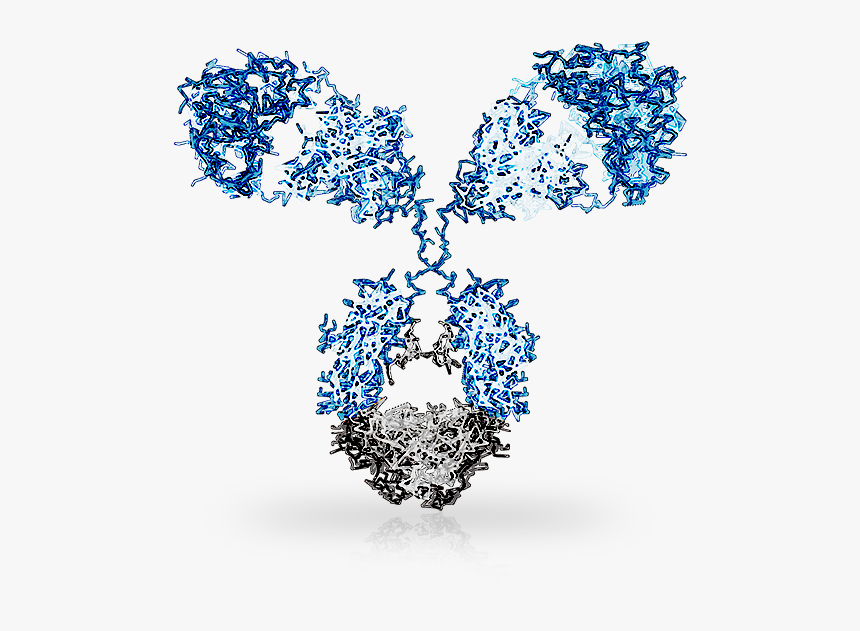
IgG
Purification Method
Antigen Affinity Purified
Conjugate
Non-conjugated
Buffer
Preservative: 0.03% Proclin 300
Constituents: 50% Glycerol, 0.01M PBS, pH 7.4
Form
Liquid
Stroage
Upon receipt, store at -20°C or -80°C. Avoid repeated freeze.
Target Names
UBC
Research Areas
Epigenetics and Nuclear Signaling; Neuroscience; Cell biology
Share