ABCbiolab
SKU:ABCCS00331
S1PR1 Antibody
S1PR1 Antibody
Couldn't load pickup availability
Size
100ul
Clone Number
4F2
Aliases
Sphingosine 1-phosphate receptor 1 (S1P receptor 1) (S1P1) (Endothelial differentiation G-protein coupled receptor 1) (Sphingosine 1-phosphate receptor Edg-1) (S1P receptor Edg-1) (CD antigen CD363), S1PR1, CHEDG1 EDG1
Immunogen Species
Homo sapiens (Human)
UniProt ID
P21453
Immunogen
A synthesized peptide derived from human EDG1
Raised in
Species Reactivity
Human
Tested Applications
ELISA, WB; Recommended dilution: WB:1:500-1:5000
Background
G-protein coupled receptor for the bioactive lysosphingolipid sphingosine 1-phosphate (S1P) that seems to be coupled to the G(i) subclass of heteromeric G proteins. Signaling leads to the activation of RAC1, SRC, PTK2/FAK1 and MAP kinases. Plays an important role in cell migration, probably via its role in the reorganization of the actin cytoskeleton and the formation of lamellipodia in response to stimuli that increase the activity of the sphingosine kinase SPHK1. Required for normal chemotaxis toward sphingosine 1-phosphate. Required for normal embryonic heart development and normal cardiac morphogenesis. Plays an important role in the regulation of sprouting angiogenesis and vascular maturation. Inhibits sprouting angiogenesis to prevent excessive sprouting during blood vessel development. Required for normal egress of mature T-cells from the thymus into the blood stream and into peripheral lymphoid organs. Plays a role in the migration of osteoclast precursor cells, the regulation of bone mineralization and bone homeostasis (By similarity). Plays a role in responses to oxidized 1-palmitoyl-2-arachidonoyl-sn-glycero-3-phosphocholine by pulmonary endothelial cells and in the protection against ventilator-induced lung injury.
Clonality
Monoclonal
Isotype
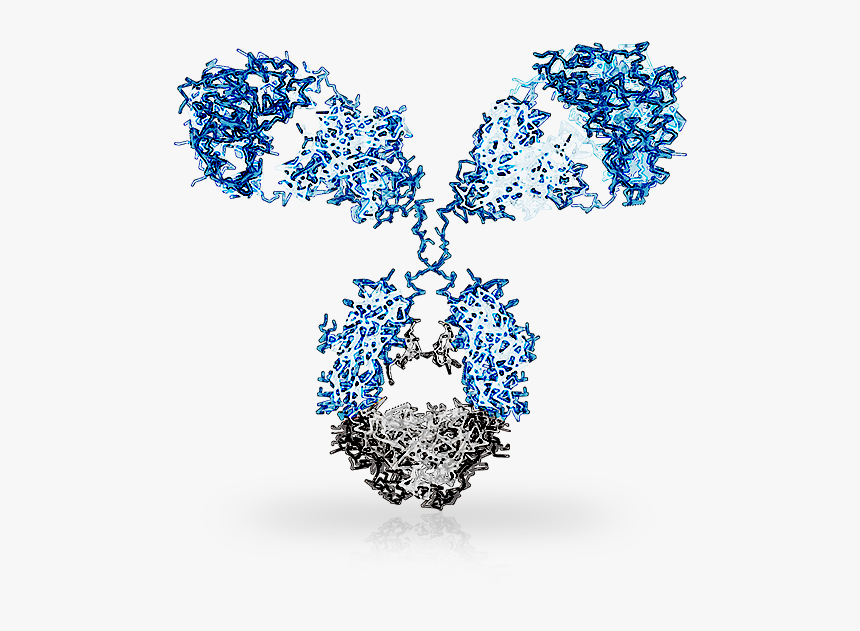
Rabbit IgG
Purification Method
Affinity-chromatography
Conjugate
Non-conjugated
Buffer
Rabbit IgG in phosphate buffered saline, pH 7.4, 150mM NaCl, 0.02% sodium azide and 50% glycerol.
Form
Liquid
Stroage
Upon receipt, store at -20°C or -80°C. Avoid repeated freeze.
Target Names
S1PR1
Research Areas
Cancer; Cardiovascular; Cell biology; Signal transduction
Share