ABCbiolab
SKU:ABCCS00513
RPS6KB1 Antibody
RPS6KB1 Antibody
Couldn't load pickup availability
Size
100ul
Clone Number
7D4
Aliases
Ribosomal protein S6 kinase beta-1 (S6K-beta-1) (S6K1) (EC 2.7.11.1) (70 kDa ribosomal protein S6 kinase 1) (P70S6K1) (p70-S6K 1) (Ribosomal protein S6 kinase I) (Serine/threonine-protein kinase 14A) (p70 ribosomal S6 kinase alpha) (p70 S6 kinase alpha) (p70 S6K-alpha) (p70 S6KA), RPS6KB1, STK14A
Immunogen Species
Homo sapiens (Human)
UniProt ID
P23443
Immunogen
A synthesized peptide derived from human P70 S6 Kinase alpha
Raised in
Species Reactivity
Human
Tested Applications
ELISA, IF; Recommended dilution: IF:1:20-1:200
Background
Serine/threonine-protein kinase that acts downstream of mTOR signaling in response to growth factors and nutrients to promote cell proliferation, cell growth and cell cycle progression. Regulates protein synthesis through phosphorylation of EIF4B, RPS6 and EEF2K, and contributes to cell survival by repressing the pro-apoptotic function of BAD. Under conditions of nutrient depletion, the inactive form associates with the EIF3 translation initiation complex. Upon mitogenic stimulation, phosphorylation by the mammalian target of rapamycin complex 1 (mTORC1) leads to dissociation from the EIF3 complex and activation. The active form then phosphorylates and activates several substrates in the pre-initiation complex, including the EIF2B complex and the cap-binding complex component EIF4B. Also controls translation initiation by phosphorylating a negative regulator of EIF4A, PDCD4, targeting it for ubiquitination and subsequent proteolysis. Promotes initiation of the pioneer round of protein synthesis by phosphorylating POLDIP3/SKAR. In response to IGF1, activates translation elongation by phosphorylating EEF2 kinase (EEF2K), which leads to its inhibition and thus activation of EEF2. Also plays a role in feedback regulation of mTORC2 by mTORC1 by phosphorylating RICTOR, resulting in the inhibition of mTORC2 and AKT1 signaling. Mediates cell survival by phosphorylating the pro-apoptotic protein BAD and suppressing its pro-apoptotic function. Phosphorylates mitochondrial URI1 leading to dissociation of a URI1-PPP1CC complex. The free mitochondrial PPP1CC can then dephosphorylate RPS6KB1 at Thr-412, which is proposed to be a negative feedback mechanism for the RPS6KB1 anti-apoptotic function. Mediates TNF-alpha-induced insulin resistance by phosphorylating IRS1 at multiple serine residues, resulting in accelerated degradation of IRS1. In cells lacking functional TSC1-2 complex, constitutively phosphorylates and inhibits GSK3B. May be involved in cytoskeletal rearrangement through binding to neurabin. Phosphorylates and activates the pyrimidine biosynthesis enzyme CAD, downstream of MTOR.
Clonality
Monoclonal
Isotype
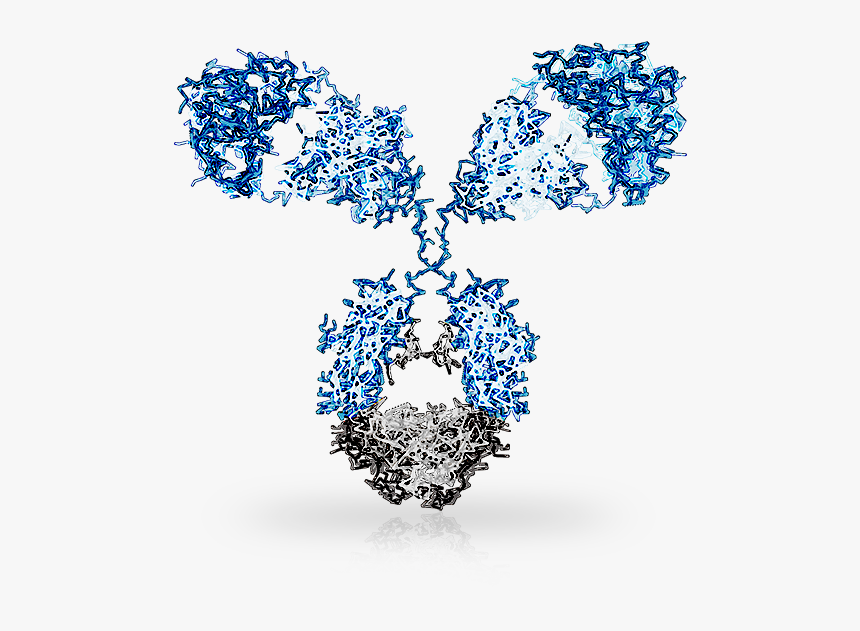
Rabbit IgG
Purification Method
Affinity-chromatography
Conjugate
Non-conjugated
Buffer
Rabbit IgG in phosphate buffered saline, pH 7.4, 150mM NaCl, 0.02% sodium azide and 50% glycerol.
Form
Liquid
Stroage
Upon receipt, store at -20°C or -80°C. Avoid repeated freeze.
Target Names
RPS6KB1
Research Areas
Epigenetics and Nuclear Signaling; Cell biology; Metabolism; Signal transduction
Share