ABCbiolab
SKU:ABCCS57576
RNF168 Antibody
RNF168 Antibody
Couldn't load pickup availability
Size
100ug
Clone Number
Aliases
E3 ubiquitin protein ligase RNF168 antibody; E3 ubiquitin-protein ligase RNF168 antibody; FLJ35794 antibody; FLJ39749 antibody; hRNF168 antibody; RING finger protein 168 antibody; RN168_HUMAN antibody; RNF 168 antibody; Rnf168 antibody
Immunogen Species
Homo sapiens (Human)
UniProt ID
Q8IYW5
Immunogen
Recombinant Human E3 ubiquitin-protein ligase RNF168 protein (194-296AA)
Raised in
Rabbit
Species Reactivity
Human
Tested Applications
ELISA, IHC; Recommended dilution: IHC:1:500-1:1000
Background
E3 ubiquitin-protein ligase required for accumulation of repair proteins to sites of DNA damage. Acts with UBE2N/UBC13 to amplify the RNF8-dependent histone ubiquitination. Recruited to sites of DNA damage at double-strand breaks (DSBs) by binding to ubiquitinated histone H2A and H2AX and amplifies the RNF8-dependent H2A ubiquitination, promoting the formation of 'Lys-63'-linked ubiquitin conjugates. This leads to concentrate ubiquitinated histones H2A and H2AX at DNA lesions to the threshold required for recruitment of TP53BP1 and BRCA1. Also recruited at DNA interstrand cross-links (ICLs) sites and promotes accumulation of 'Lys-63'-linked ubiquitination of histones H2A and H2AX, leading to recruitment of FAAP20/C1orf86 and Fanconi anemia (FA) complex, followed by interstrand cross-link repair. H2A ubiquitination also mediates the ATM-dependent transcriptional silencing at regions flanking DSBs in cis, a mechanism to avoid collision between transcription and repair intermediates. Also involved in class switch recombination in immune system, via its role in regulation of DSBs repair. Following DNA damage, promotes the ubiquitination and degradation of JMJD2A/KDM4A in collaboration with RNF8, leading to unmask H4K20me2 mark and promote the recruitment of TP53BP1 at DNA damage sites. Not able to initiate 'Lys-63'-linked ubiquitination in vitro; possibly due to partial occlusion of the UBE2N/UBC13-binding region. Catalyzes monoubiquitination of 'Lys-13' and 'Lys-15' of nucleosomal histone H2A (H2AK13Ub and H2AK15Ub, respectively).
Clonality
Polyclonal
Isotype
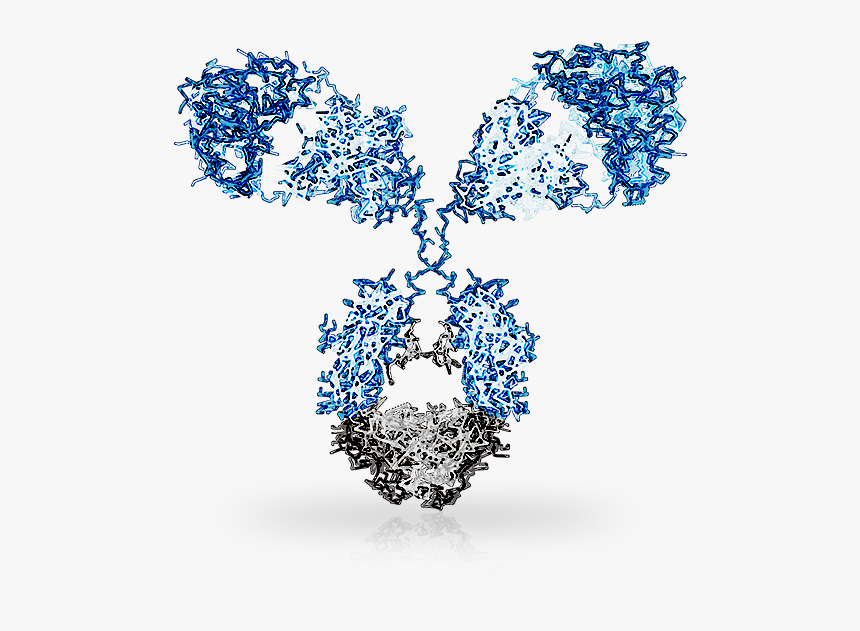
IgG
Purification Method
>95%, Protein G purified
Conjugate
Non-conjugated
Buffer
Preservative: 0.03% Proclin 300
Constituents: 50% Glycerol, 0.01M PBS, pH 7.4
Form
Liquid
Stroage
Upon receipt, store at -20°C or -80°C. Avoid repeated freeze.
Target Names
RNF168
Research Areas
Epigenetics and Nuclear Signaling
Share