NSJ Bioreagents
SKU:FY13341
PDPR Antibody / Pyruvate dehydrogenase phosphatase regulatory subunit, 100 ug
PDPR Antibody / Pyruvate dehydrogenase phosphatase regulatory subunit, 100 ug
Couldn't load pickup availability
PDPR antibody detects Pyruvate dehydrogenase phosphatase regulatory subunit, a mitochondrial matrix protein encoded by the PDPR gene located on chromosome 16q22.1. PDPR acts as a regulatory subunit of the pyruvate dehydrogenase phosphatase (PDP) complex, which controls activity of the pyruvate dehydrogenase complex (PDC) - a critical enzyme in carbohydrate metabolism that links glycolysis to the tricarboxylic acid (TCA) cycle. PDPR is highly expressed in metabolically active tissues such as liver, heart, skeletal muscle, and kidney, where it modulates energy production and metabolic flexibility.
PDPR functions by modulating the catalytic activity of PDP1 and PDP2 phosphatase subunits, facilitating dephosphorylation and reactivation of PDC. This regulation ensures efficient conversion of pyruvate to acetyl-CoA, thereby supporting ATP generation under nutrient-rich conditions. PDPR also influences glucose oxidation rates and metabolic adaptation during fasting, exercise, or insulin stimulation. Co-localization studies show PDPR associating with PDC and PDP1 in the mitochondrial matrix, maintaining dynamic control over carbohydrate flux.
Structurally, PDPR contains an N-terminal domain involved in protein-protein interactions and a C-terminal alpha-helical region required for complex stability. It belongs to the pyruvate dehydrogenase regulatory protein family, which fine-tunes mitochondrial energy metabolism. The protein�s structural motifs enable binding with PDP catalytic subunits and coordination with mitochondrial targeting sequences for correct localization.
Functionally, PDPR integrates metabolic and hormonal cues to maintain energy homeostasis. It plays a vital role in glucose utilization, mitochondrial respiration, and lipid oxidation balance. PDPR is regulated by insulin, glucagon, and nutrient availability, allowing cells to rapidly switch between carbohydrate and fatty acid metabolism. During embryonic development, PDPR supports energy demands of rapidly growing tissues, particularly cardiac and skeletal muscle. Pathway involvement includes the TCA cycle, oxidative phosphorylation, and insulin signaling pathways that coordinate energy metabolism.
Dysregulation of PDPR activity is linked to metabolic diseases, including diabetes, obesity, and mitochondrial disorders. Reduced PDPR function leads to impaired PDC activation, resulting in accumulation of pyruvate and lactic acid, while overactivation can alter glucose oxidation balance. Genetic variants in PDPR have been associated with altered fasting glucose levels and insulin sensitivity. Because of its role in mitochondrial regulation, PDPR has also been studied in cancer metabolism, where metabolic reprogramming supports tumor cell proliferation.
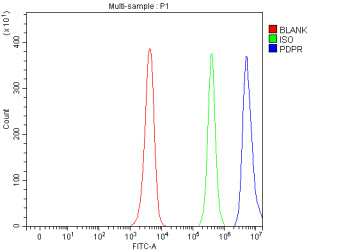
Immunohistochemical staining using PDPR antibody shows mitochondrial localization in liver, cardiac, and muscle cells. The PDPR antibody from NSJ Bioreagents is a valuable reagent for research on mitochondrial metabolism, energy regulation, and metabolic disease mechanisms.
Share