Elabscience
SKU:E-AB-52002
SETD1A Polyclonal Antibody
SETD1A Polyclonal Antibody
Couldn't load pickup availability
SETD1A Polyclonal Antibody
Introducing the SETD1A Polyclonal Antibody, a cutting-edge scientific tool designed to facilitate accurate and efficient research in the field of epigenetics. This high-quality antibody is meticulously crafted using advanced techniques to ensure optimal performance and reliability.
The SETD1A Polyclonal Antibody is specifically engineered to target the SETD1A protein, a crucial component of the SET1/MLL complex involved in histone methylation. With its exceptional specificity and sensitivity, this antibody enables precise detection and quantification of SETD1A protein levels in various biological samples.
Featuring a polyclonal nature, this antibody exhibits a broad reactivity across multiple species, including human, mouse, and rat. This versatility allows for seamless integration into diverse experimental setups, facilitating cross-species research and enhancing the scope of scientific investigations.
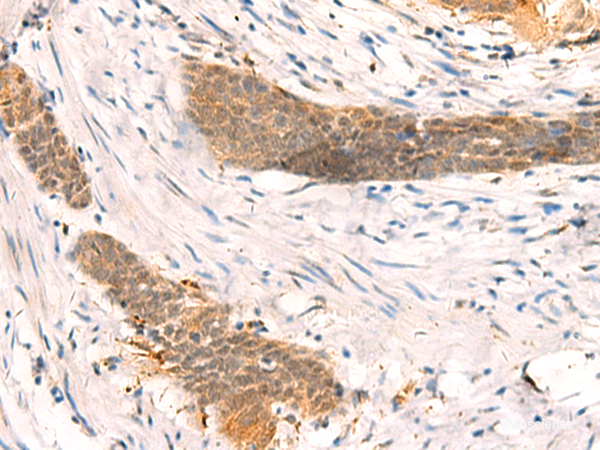
The SETD1A Polyclonal Antibody boasts exceptional performance characteristics, including high affinity and low background noise, ensuring accurate and reliable results. Its robustness and consistency make it an ideal choice for a wide range of applications, such as Western blotting, immunohistochemistry, and immunofluorescence.
Furthermore, this antibody is manufactured in strict adherence to rigorous quality control standards, guaranteeing batch-to-batch consistency and reproducibility. Its long shelf life and stability ensure prolonged usability, minimizing the need for frequent reordering and reducing experimental variability.
In summary, the SETD1A Polyclonal Antibody is an indispensable tool for researchers seeking to unravel the intricate mechanisms of epigenetic regulation. With its exceptional specificity, versatility, and reliability, this antibody empowers scientists to delve deeper into the complexities of SETD1A protein function, ultimately advancing our understanding of epigenetic processes.
Share