1
/
of
1
Elabscience
SKU:E-EL-R0339
Rat DRD1(Dopamine Receptor D1) ELISA Kit
Rat DRD1(Dopamine Receptor D1) ELISA Kit
Regular price
$609.00 USD
Regular price
Sale price
$609.00 USD
Unit price
/
per
Shipping calculated at checkout.
Couldn't load pickup availability
The RAT DRD1 (Dopamine Receptor D1) ELISA Kit is a highly advanced and meticulously designed product that enables accurate and efficient measurement of Dopamine Receptor D1 levels in rat samples. This cutting-edge kit utilizes the enzyme-linked immunosorbent assay (ELISA) technique, which guarantees precise and reliable results.
With its superior sensitivity and specificity, the RAT DRD1 ELISA Kit offers researchers and scientists an invaluable tool for studying the role of Dopamine Receptor D1 in various physiological and pathological processes. This kit is specifically tailored for rat samples, ensuring optimal performance and accuracy.
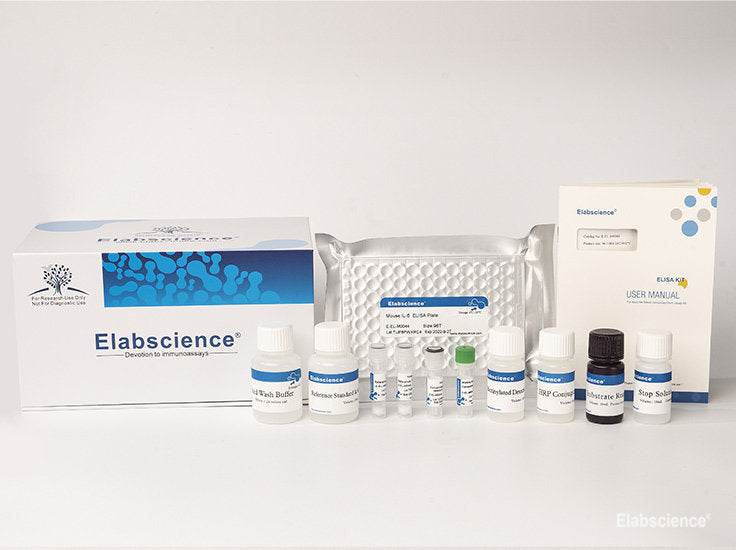
The RAT DRD1 ELISA Kit is composed of high-quality reagents and components, meticulously selected to ensure maximum performance and reproducibility. The kit includes pre-coated microplate wells, which are coated with a highly specific antibody targeting Dopamine Receptor D1. This antibody selectively binds to the target protein, allowing for the quantification of Dopamine Receptor D1 levels in the sample.
The RAT DRD1 ELISA Kit is user-friendly and straightforward, with a simple and efficient protocol that can be easily followed by researchers of all levels of expertise. The kit provides all the necessary components and detailed instructions, ensuring a seamless and hassle-free experimental process.
By utilizing the RAT DRD1 ELISA Kit, researchers can gain valuable insights into the role of Dopamine Receptor D1 in various physiological and pathological conditions. This kit is an indispensable tool for studying the intricate mechanisms underlying dopamine signaling and its implications in neurological disorders, addiction, and other related fields.
In summary, the RAT DRD1 ELISA Kit is a state-of-the-art product that offers exceptional accuracy, sensitivity, and specificity in measuring Dopamine Receptor D1 levels in rat samples. With its user-friendly design and high-quality components, this kit provides researchers with a reliable and efficient tool for advancing their scientific investigations in the field of dopamine signaling.
With its superior sensitivity and specificity, the RAT DRD1 ELISA Kit offers researchers and scientists an invaluable tool for studying the role of Dopamine Receptor D1 in various physiological and pathological processes. This kit is specifically tailored for rat samples, ensuring optimal performance and accuracy.
The RAT DRD1 ELISA Kit is composed of high-quality reagents and components, meticulously selected to ensure maximum performance and reproducibility. The kit includes pre-coated microplate wells, which are coated with a highly specific antibody targeting Dopamine Receptor D1. This antibody selectively binds to the target protein, allowing for the quantification of Dopamine Receptor D1 levels in the sample.
The RAT DRD1 ELISA Kit is user-friendly and straightforward, with a simple and efficient protocol that can be easily followed by researchers of all levels of expertise. The kit provides all the necessary components and detailed instructions, ensuring a seamless and hassle-free experimental process.
By utilizing the RAT DRD1 ELISA Kit, researchers can gain valuable insights into the role of Dopamine Receptor D1 in various physiological and pathological conditions. This kit is an indispensable tool for studying the intricate mechanisms underlying dopamine signaling and its implications in neurological disorders, addiction, and other related fields.
In summary, the RAT DRD1 ELISA Kit is a state-of-the-art product that offers exceptional accuracy, sensitivity, and specificity in measuring Dopamine Receptor D1 levels in rat samples. With its user-friendly design and high-quality components, this kit provides researchers with a reliable and efficient tool for advancing their scientific investigations in the field of dopamine signaling.
Share