1
/
of
1
Elabscience
SKU:E-EL-R1413
Rat NT-proANP(N-Terminal Pro Atrial Natriuretic Peptide) ELISA Kit
Rat NT-proANP(N-Terminal Pro Atrial Natriuretic Peptide) ELISA Kit
Regular price
$609.00 USD
Regular price
Sale price
$609.00 USD
Unit price
/
per
Shipping calculated at checkout.
Couldn't load pickup availability
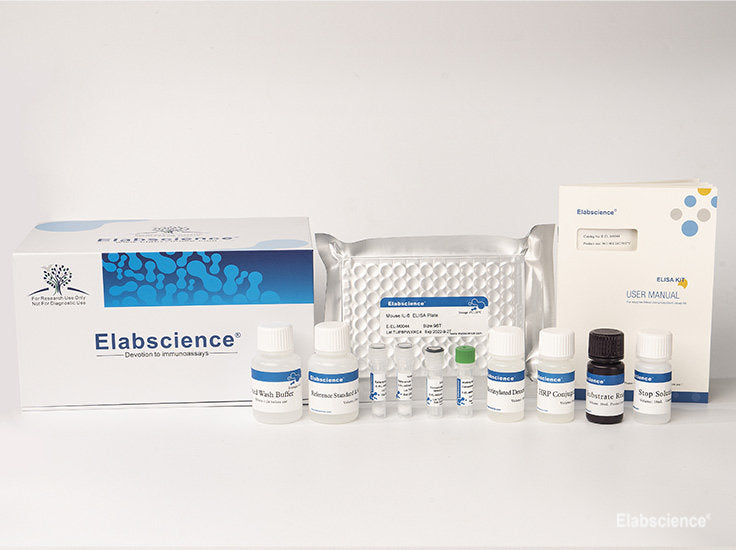
Introducing the RAT NT-PROANP(N-Terminal Pro Atrial Natriuretic Peptide) ELISA Kit, a cutting-edge solution designed to facilitate accurate and efficient measurement of NT-PROANP levels in rat samples. This ELISA kit is meticulously crafted to meet the highest standards of quality and reliability, ensuring precise and reproducible results.
The RAT NT-PROANP ELISA Kit employs a highly sensitive and specific enzyme-linked immunosorbent assay (ELISA) technique, enabling researchers and scientists to quantitatively analyze NT-PROANP concentrations in rat samples with utmost precision. This advanced technology guarantees optimal sensitivity and specificity, minimizing the risk of false-positive or false-negative results.
With its user-friendly design, the RAT NT-PROANP ELISA Kit streamlines the experimental process, allowing for seamless execution and enhanced productivity. The kit includes all necessary components, meticulously optimized and pre-coated, ensuring consistent and reliable performance. Additionally, the comprehensive instructions provided enable effortless implementation, even for users with limited expertise in ELISA techniques.
The RAT NT-PROANP ELISA Kit is an invaluable tool for a wide range of research applications, including cardiovascular studies, hypertension research, and biomarker analysis. By accurately quantifying NT-PROANP levels, researchers can gain valuable insights into cardiac function, atrial natriuretic peptide dynamics, and related physiological processes.
Choose the RAT NT-PROANP ELISA Kit for its unparalleled accuracy, reliability, and ease of use. Elevate your research endeavors with this state-of-the-art solution, empowering you to unravel the intricacies of NT-PROANP and its implications in various biological contexts.
Share