1
/
of
1
Elabscience
SKU:E-CL-R0007
Rat EPO(Erythropoietin) CLIA Kit
Rat EPO(Erythropoietin) CLIA Kit
Regular price
$682.00 USD
Regular price
Sale price
$682.00 USD
Unit price
/
per
Shipping calculated at checkout.
Couldn't load pickup availability
Introducing the RAT EPO (Erythropoietin) CLIA Kit, a cutting-edge diagnostic tool designed to accurately measure the levels of erythropoietin in rat samples. This high-quality kit is meticulously crafted to provide precise and reliable results, making it an indispensable asset for researchers and clinicians alike.
The RAT EPO CLIA Kit utilizes the Chemiluminescent Immunoassay (CLIA) technique, a highly sensitive and specific method that ensures optimal detection of erythropoietin. With its advanced technology, this kit offers unparalleled sensitivity, enabling the detection of even the lowest levels of erythropoietin in rat samples.
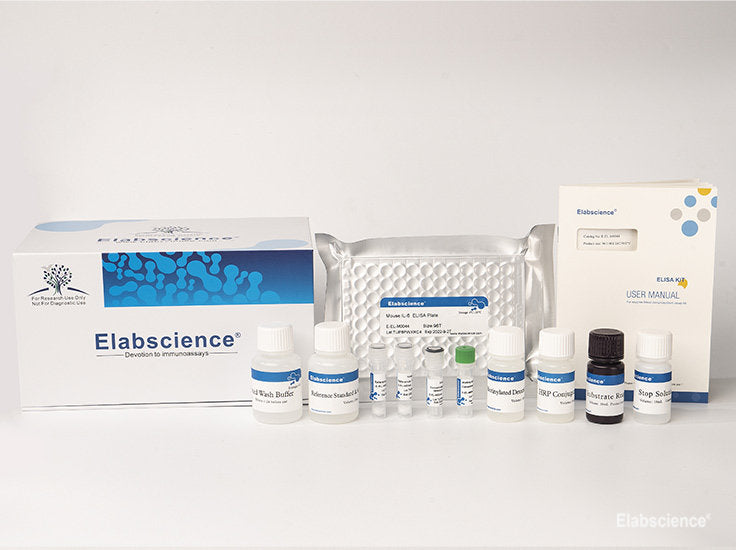
This comprehensive kit includes all the necessary components for a seamless and efficient testing process. It contains microplates pre-coated with specific antibodies, rat erythropoietin standards, control samples, and all required reagents. The user-friendly protocol allows for easy handling and quick execution, minimizing the chances of errors and ensuring consistent and accurate results.
The RAT EPO CLIA Kit is designed to meet the highest quality standards, guaranteeing reproducibility and reliability. Each batch undergoes rigorous quality control procedures to ensure consistent performance and accuracy. Additionally, this kit has a long shelf life, ensuring its usability for an extended period, thereby maximizing its value and cost-effectiveness.
This versatile kit finds its applications in various research fields, including but not limited to hematological studies, pharmaceutical research, and clinical diagnostics. It serves as an invaluable tool for investigating erythropoietin levels in rat models, aiding in the understanding of erythropoiesis and related disorders.
In summary, the RAT EPO CLIA Kit is a state-of-the-art diagnostic solution that offers exceptional sensitivity, accuracy, and ease of use. With its comprehensive components and stringent quality control measures, this kit is an indispensable asset for researchers and clinicians seeking reliable and precise measurements of erythropoietin levels in rat samples.
The RAT EPO CLIA Kit utilizes the Chemiluminescent Immunoassay (CLIA) technique, a highly sensitive and specific method that ensures optimal detection of erythropoietin. With its advanced technology, this kit offers unparalleled sensitivity, enabling the detection of even the lowest levels of erythropoietin in rat samples.
This comprehensive kit includes all the necessary components for a seamless and efficient testing process. It contains microplates pre-coated with specific antibodies, rat erythropoietin standards, control samples, and all required reagents. The user-friendly protocol allows for easy handling and quick execution, minimizing the chances of errors and ensuring consistent and accurate results.
The RAT EPO CLIA Kit is designed to meet the highest quality standards, guaranteeing reproducibility and reliability. Each batch undergoes rigorous quality control procedures to ensure consistent performance and accuracy. Additionally, this kit has a long shelf life, ensuring its usability for an extended period, thereby maximizing its value and cost-effectiveness.
This versatile kit finds its applications in various research fields, including but not limited to hematological studies, pharmaceutical research, and clinical diagnostics. It serves as an invaluable tool for investigating erythropoietin levels in rat models, aiding in the understanding of erythropoiesis and related disorders.
In summary, the RAT EPO CLIA Kit is a state-of-the-art diagnostic solution that offers exceptional sensitivity, accuracy, and ease of use. With its comprehensive components and stringent quality control measures, this kit is an indispensable asset for researchers and clinicians seeking reliable and precise measurements of erythropoietin levels in rat samples.
Share