ABCbiolab
SKU:ABCCS01110
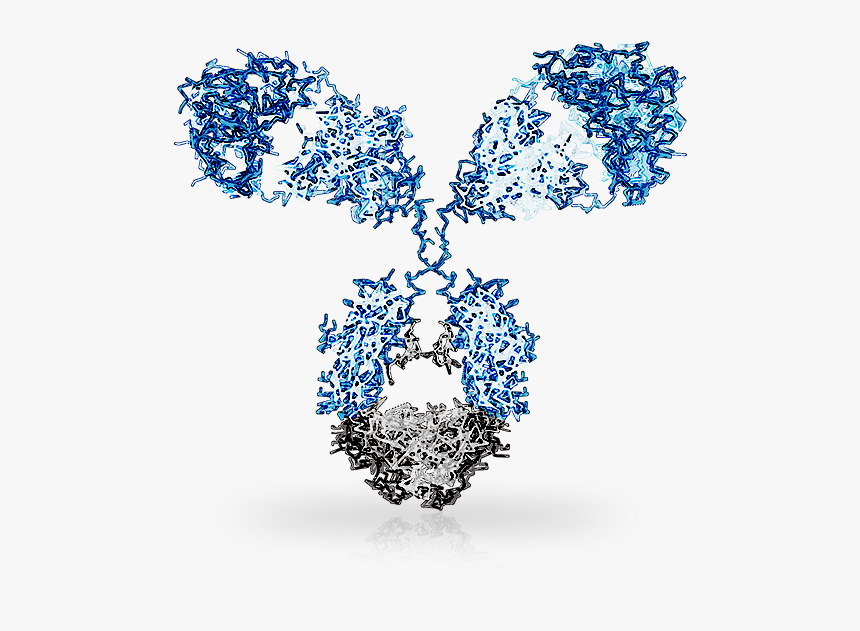
KRT14/KRT16/KRT5/KRT6A/KRT8 Monoclonal Antibody
KRT14/KRT16/KRT5/KRT6A/KRT8 Monoclonal Antibody
Couldn't load pickup availability
Size
100ul
Clone Number
Aliases
CARD2; CK-4; CK-6C; CK-6E; CK-8; CK14; CK16; CK4; CK5; CK6A; CK6C; CK6D; CK8; CYK4; CYK8; DDD; DDD1; EBS2; EBS3; EBS4; FNEPPK; K14; K16; K1CP; K2C8; K4; K5; K6A; K6C; K6D; K8; KO; KRT14; KRT16; KRT16A; KRT5; KRT5A; KRT6A; KRT6C; KRT6D; KRT8; NEPPK; NFJ; PC1; PC3; WSN1; 58 kDa cytokeratin; CK-14; CK-16; CK-5; CK-6A; CK-6D; CK-8; cytokeratin 14; cytokeratin 16; cytokeratin 4; cytokeratin 6A; cytokeratin 6C; cytokeratin 6D; Cytokeratin-14; Cytokeratin-16; Cytokeratin-5; Cytokeratin-6A; cytokeratin-6C; Cytokeratin-6D; cytokeratin-6E; Cytokeratin-8; epidermolysis bullosa simplex 2 Dowling-Meara/Kobner/Weber-Cockayne types; focal non-epidermolytic palmoplantar keratoderma; Hom s 5; K14; K16; K5; K6A; K8; kamp-keratin derived antimicrobial peptide; KDAMP; keratin 14, type I; keratin 16, type I; keratin 4, type II; keratin 5 (epidermolysis bullosa simplex, Dowling-Meara/Kobner/Weber-Cockayne types); keratin 5, type II; keratin 6A, , type II; keratin 6A, type II; keratin 8, type II; keratin K6h; keratin, epidermal type II, K6A; Keratin, type I cytoskeletal 14; Keratin, type I cytoskeletal 16; Keratin, type II cytoskeletal 5; Keratin, type II cytoskeletal 6A; Keratin, type II cytoskeletal 8; Keratin-14; Keratin-16; Keratin-5; Keratin-6A; keratin-6C; Keratin-8; pankeratin; type-II keratin Kb12; type-II keratin Kb4; Type-II keratin Kb5; Type-II keratin Kb6; Type-II keratin Kb8
Immunogen Species
Homo sapiens (Human)
UniProt ID
P02533/P08779/P13647/P02538/P05787
Immunogen
Synthesized peptide derived from human Cytokeratin Pan
Raised in
Mouse
Species Reactivity
Human
Tested Applications
ELISA, IHC; Recommended dilution: IHC:1:20-1:200
Background
Cytokeratin pan is part of a subfamily of intermediate filament proteins that are characterized by remarkable biochemical diversity, and represented in human epithelial tissues by at least 20 different polypeptides. Cytokeratins range in molecular weight between 40 kDa- 68 kDa, and an isoelectric pH between 4.9-7.8. The individual human cytokeratins are numbered 1 to 20. The various epithelia in the human body usually express cytokeratins which are not only characteristic of the type of epithelium, but also related to the degree of maturation or differentiation within an epithelium. Cytokeratin subtype expression patterns are used to an increasing extent in the distinction of different types of epithelial malignancies. The cytokeratin antibodies are not only of assistance in the differential diagnosis of tumors using immunohistochemistry on tissue sections, but are also a useful tool in cytopathology and flow cytometric assays. The composition of cytokeratin pairs vary with the epithelial cell type, stage of differentiation, cellular growth environment, and disease state. Many studies have shown the usefulness of keratins as markers in cancer research and tumor diagnosis.
Clonality
Monoclonal
Isotype
IgG2b, Kappa
Purification Method
The antibody was affinity-purified from mouse ascites by affinity-chromatography using specific immunogen.
Conjugate
Non-conjugated
Buffer
Liquid in PBS containing 50% glycerol, 0.5% BSA and 0.02% sodium azide.
Form
Liquid
Stroage
Upon receipt, store at -20°C or -80°C. Avoid repeated freeze.
Target Names
KRT14/KRT16/KRT5/KRT6A/KRT8
Research Areas
Signal Transduction
Share