ABCbiolab
SKU:ABCCS00363
ITK Antibody
ITK Antibody
Couldn't load pickup availability
Size
100ul
Clone Number
8F10
Aliases
Tyrosine-protein kinase ITK/TSK (EC 2.7.10.2) (Interleukin-2-inducible T-cell kinase) (IL-2-inducible T-cell kinase) (Kinase EMT) (T-cell-specific kinase) (Tyrosine-protein kinase Lyk), ITK, EMT LYK
Immunogen Species
Homo sapiens (Human)
UniProt ID
Q08881
Immunogen
A synthesized peptide derived from human ITK
Raised in
Species Reactivity
Human
Tested Applications
ELISA, IHC; Recommended dilution: IHC:1:50-1:200
Background
Tyrosine kinase that plays an essential role in regulation of the adaptive immune response. Regulates the development, function and differentiation of conventional T-cells and nonconventional NKT-cells. When antigen presenting cells (APC) activate T-cell receptor (TCR), a series of phosphorylation lead to the recruitment of ITK to the cell membrane, in the vicinity of the stimulated TCR receptor, where it is phosphorylated by LCK. Phosphorylation leads to ITK autophosphorylation and full activation. Once activated, phosphorylates PLCG1, leading to the activation of this lipase and subsequent cleavage of its substrates. In turn, the endoplasmic reticulum releases calcium in the cytoplasm and the nuclear activator of activated T-cells (NFAT) translocates into the nucleus to perform its transcriptional duty. Phosphorylates 2 essential adapter proteins: the linker for activation of T-cells/LAT protein and LCP2. Then, a large number of signaling molecules such as VAV1 are recruited and ultimately lead to lymphokine production, T-cell proliferation and differentiation.
Clonality
Monoclonal
Isotype
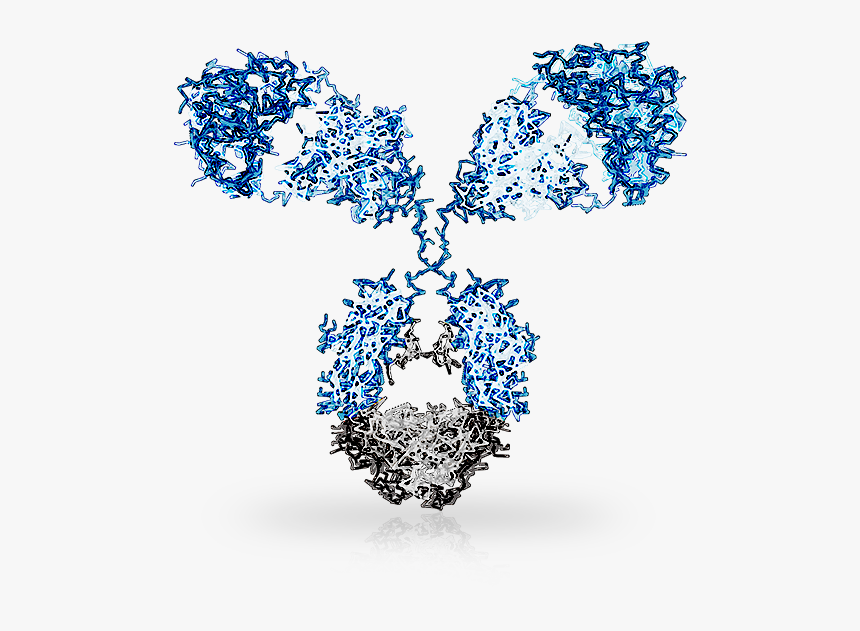
Rabbit IgG
Purification Method
Affinity-chromatography
Conjugate
Non-conjugated
Buffer
Rabbit IgG in phosphate buffered saline, pH 7.4, 150mM NaCl, 0.02% sodium azide and 50% glycerol.
Form
Liquid
Stroage
Upon receipt, store at -20°C or -80°C. Avoid repeated freeze.
Target Names
ITK
Research Areas
Signal transduction
Share