ABCbiolab
SKU:ABCCS01301
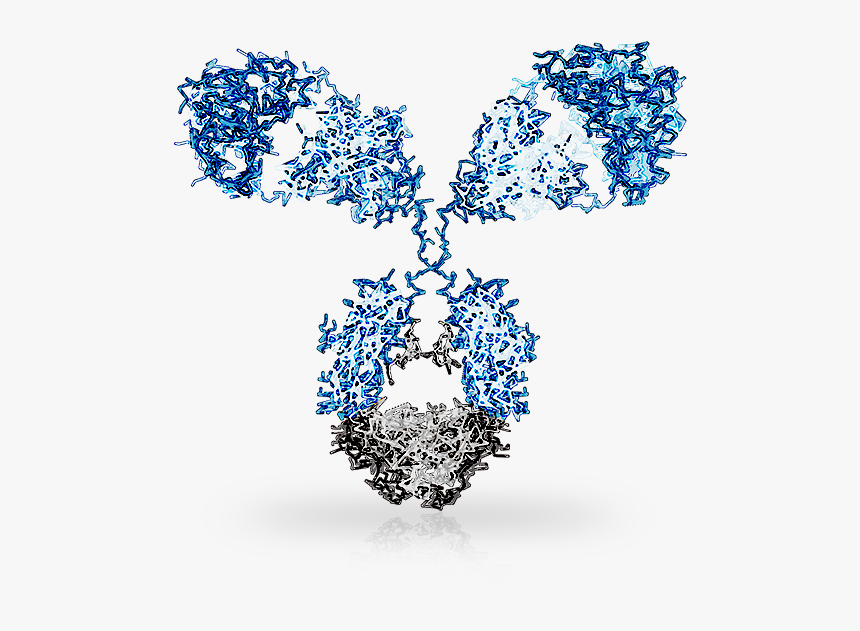
GAPDH Monoclonal Antibody
GAPDH Monoclonal Antibody
Couldn't load pickup availability
Size
100ul
Clone Number
14C2F11
Aliases
GAPDH; G3PD; GAPD; MGC88685
Immunogen Species
UniProt ID
Immunogen
Recombinant Human GAPDH protein (3-335AA)
Raised in
Mouse
Species Reactivity
Human, Rat, Rabbit
Tested Applications
ELISA, WB, IHC, IP, IF, FC; Recommended dilution: WB:1:5000-1:1600000, IHC:1:50-1:500, IF:1:50-1:200, IP:1µl-2µl, FC:1:100-1:300
Background
Glyceraldehyde 3-phosphate dehydrogenase (GAPDH or G3PDH) is an enzyme of 37kDa that is consisdered as a cellular enzyme involved in glycolysis. Glyceraldehyde-3-phosphate dehydrogenase (GAPDH) is a pleiotropic enzyme that is overexpressed in apoptosis and in several human chronic pathologies. Its role as a mediator for cell death has also been highlighted. At the molecular level, sequential steps lead to nuclear translocation of GAPDH during cell death as follows: first, a catalytic cysteine in GAPDH (C150 in rat GAPDH) is S-nitrosylated by nitric oxide (NO) that is generated from inducible nitric oxide synthase (iNOS) and/or neuronal NOS (nNOS); second, the modified GAPDH becomes capable of binding with Siah1, an E3 ubiquitin ligase, and stabilizes it; third, the GAPDH-Siah protein complex translocates to the nucleus, dependent on Siah1’s nuclear localization signal, and degrades Siah1’s substrates in the nucleus, which results in cytotoxicity. A recent report suggests that GAPDH may be genetically associated with late-onset of Alzheimer’s disease.-deprenyl, which has originally been used as a monoamine oxidase inhibitor for Parkinson’s disease, binds to GAPDH and displays neuroprotective actions.
Clonality
Monoclonal
Isotype
IgG1
Purification Method
>95%, Protein G purified
Conjugate
Non-conjugated
Buffer
Preservative: 0.03% Proclin 300
Constituents: 50% Glycerol, 0.01M PBS, PH 7.4
Form
Liquid
Stroage
Upon receipt, store at -20°C or -80°C. Avoid repeated freeze.
Target Names
GAPDH
Research Areas
Share