ABCbiolab
SKU:ABCCS00345
FGFR3 Antibody
FGFR3 Antibody
Couldn't load pickup availability
Size
100ul
Clone Number
6D4
Aliases
Fibroblast growth factor receptor 3 (FGFR-3) (EC 2.7.10.1) (CD antigen CD333), FGFR3, JTK4
Immunogen Species
Homo sapiens (Human)
UniProt ID
P22607
Immunogen
A synthesized peptide derived from human FGFR3
Raised in
Species Reactivity
Human
Tested Applications
ELISA, WB; Recommended dilution: WB:1:500-1:5000
Background
Tyrosine-protein kinase that acts as cell-surface receptor for fibroblast growth factors and plays an essential role in the regulation of cell proliferation, differentiation and apoptosis. Plays an essential role in the regulation of chondrocyte differentiation, proliferation and apoptosis, and is required for normal skeleton development. Regulates both osteogenesis and postnatal bone mineralization by osteoblasts. Promotes apoptosis in chondrocytes, but can also promote cancer cell proliferation. Required for normal development of the inner ear. Phosphorylates PLCG1, CBL and FRS2. Ligand binding leads to the activation of several signaling cascades. Activation of PLCG1 leads to the production of the cellular signaling molecules diacylglycerol and inositol 1,4,5-trisphosphate. Phosphorylation of FRS2 triggers recruitment of GRB2, GAB1, PIK3R1 and SOS1, and mediates activation of RAS, MAPK1/ERK2, MAPK3/ERK1 and the MAP kinase signaling pathway, as well as of the AKT1 signaling pathway. Plays a role in the regulation of vitamin D metabolism. Mutations that lead to constitutive kinase activation or impair normal FGFR3 maturation, internalization and degradation lead to aberrant signaling. Over-expressed or constitutively activated FGFR3 promotes activation of PTPN11/SHP2, STAT1, STAT5A and STAT5B. Secreted isoform 3 retains its capacity to bind FGF1 and FGF2 and hence may interfere with FGF signaling.
Clonality
Monoclonal
Isotype
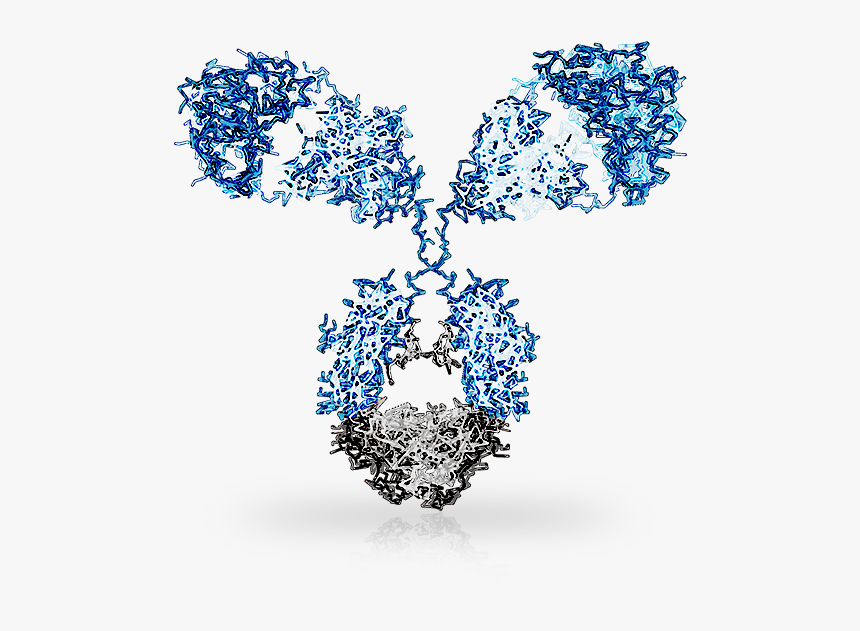
Rabbit IgG
Purification Method
Affinity-chromatography
Conjugate
Non-conjugated
Buffer
Rabbit IgG in phosphate buffered saline, pH 7.4, 150mM NaCl, 0.02% sodium azide and 50% glycerol.
Form
Liquid
Stroage
Upon receipt, store at -20°C or -80°C. Avoid repeated freeze.
Target Names
FGFR3
Research Areas
Cancer; Cardiovascular; Signal transduction; Stem cells
Share