ABCbiolab
SKU:ABCCS00348
DPP4 Antibody
DPP4 Antibody
Couldn't load pickup availability
Size
100ul
Clone Number
6G7
Aliases
Dipeptidyl peptidase 4 (EC 3.4.14.5) (ADABP) (Adenosine deaminase complexing protein 2) (ADCP-2) (Dipeptidyl peptidase IV) (DPP IV) (T-cell activation antigen CD26) (TP103) (CD antigen CD26) [Cleaved into: Dipeptidyl peptidase 4 membrane form (Dipeptidyl peptidase IV membrane form), Dipeptidyl peptidase 4 soluble form (Dipeptidyl peptidase IV soluble form)], DPP4, ADCP2 CD26
Immunogen Species
Homo sapiens (Human)
UniProt ID
P27487
Immunogen
A synthesized peptide derived from human CD26
Raised in
Species Reactivity
Human
Tested Applications
ELISA, IHC; Recommended dilution: IHC:1:50-1:200
Background
Cell surface glycoprotein receptor involved in the costimulatory signal essential for T-cell receptor (TCR)-mediated T-cell activation. Acts as a positive regulator of T-cell coactivation, by binding at least ADA, CAV1, IGF2R, and PTPRC. Its binding to CAV1 and CARD11 induces T-cell proliferation and NF-kappa-B activation in a T-cell receptor/CD3-dependent manner. Its interaction with ADA also regulates lymphocyte-epithelial cell adhesion. In association with FAP is involved in the pericellular proteolysis of the extracellular matrix (ECM), the migration and invasion of endothelial cells into the ECM. May be involved in the promotion of lymphatic endothelial cells adhesion, migration and tube formation. When overexpressed, enhanced cell proliferation, a process inhibited by GPC3. Acts also as a serine exopeptidase with a dipeptidyl peptidase activity that regulates various physiological processes by cleaving peptides in the circulation, including many chemokines, mitogenic growth factors, neuropeptides and peptide hormones. Removes N-terminal dipeptides sequentially from polypeptides having unsubstituted N-termini provided that the penultimate residue is proline.
Clonality
Monoclonal
Isotype
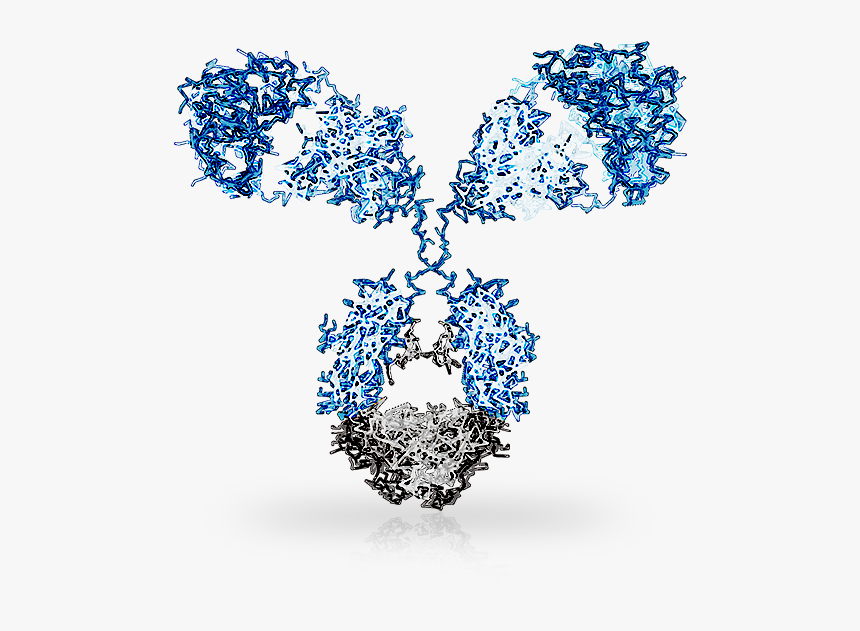
Rabbit IgG
Purification Method
Affinity-chromatography
Conjugate
Non-conjugated
Buffer
Rabbit IgG in phosphate buffered saline, pH 7.4, 150mM NaCl, 0.02% sodium azide and 50% glycerol.
Form
Liquid
Stroage
Upon receipt, store at -20°C or -80°C. Avoid repeated freeze.
Target Names
DPP4
Research Areas
Cancer; Cell biology; Immunology; Metabolism; Stem cells
Share