ABCbiolab
SKU:ABCB00919
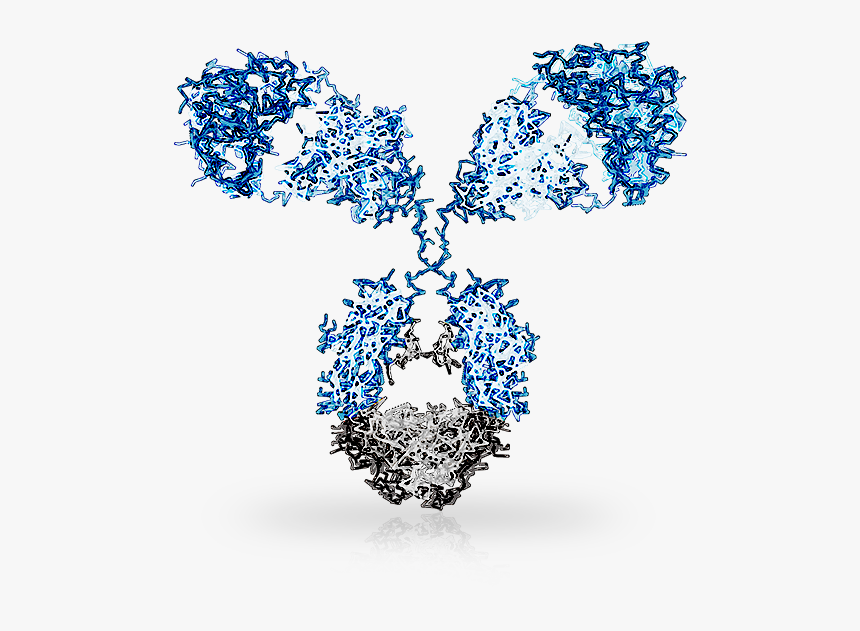
CD314 Polyclonal Antibody
CD314 Polyclonal Antibody
Couldn't load pickup availability
Ab type
Primary antibody
Background
Natural killer (NK) cells are lymphocytes that can mediate lysis of certain tumor cells and virus-infected cells without previous activation. They can also regulate specific humoral and cell-mediated immunity. NK cells preferentially express several calcium-dependent (C-type) lectins, which have been implicated in the regulation of NK cell function. The NKG2 gene family is located within the NK complex, a region that contains several C-type lectin genes preferentially expressed in NK cells. KLRK1 encodes a member of the NKG2 family. The encoded transmembrane protein is characterized by a type II membrane orientation (has an extracellular C terminus) and the presence of a C-type lectin domain. It binds to a diverse family of ligands that include MHC class I chain-related A and B proteins and UL-16 binding proteins, where ligand-receptor interactions can result in the activation of NK and T cells. The surface expression of these ligands is important for the recognition of stressed cells by the immune system, and thus this protein and its ligands are therapeutic targets for the treatment of immune diseases and cancers. Read-through transcription exists between this gene and the upstream KLRC4 (killer cell lectin-like receptor subfamily C, member 4) family member in the same cluster.
Reactivity
Human
Clonality
Polyclonal
Host
Rabbit
Isotype
IgG
Immunogen
The antiserum was produced against synthesized peptide derived from human KLRK1. AA range:111-160
Storage Stability
-20°C for one year
Concentration
1 mg/ml
MolecularWeight_Da
25274
synonyms
KLRK1; D12S2489E; NKG2D; NKG2-D type II integral membrane protein; Killer cell lectin-like receptor subfamily K member 1; NK cell receptor D; NKG2-D-activating NK receptor; CD antigen CD314
Share