ABCbiolab
SKU:ABCB00840
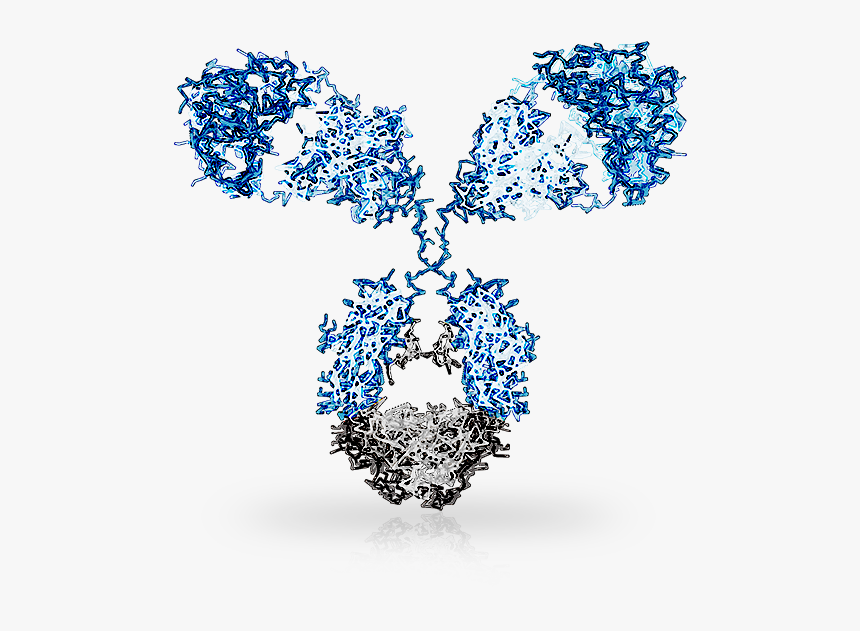
CD158e Polyclonal Antibody
CD158e Polyclonal Antibody
Couldn't load pickup availability
Ab type
Primary antibody
Background
Killer cell immunoglobulin-like receptors (KIRs) are transmembrane glycoproteins expressed by natural killer cells and subsets of T cells. The KIR genes are polymorphic and highly homologous and they are found in a cluster on chromosome 19q13. within the 1 Mb leukocyte receptor complex (LRC). The gene content of the KIR gene cluster varies among haplotypes, although several "framework" genes are found in all haplotypes (KIR3DL3, KIR3DP1, KIR3DL4, KIR3DL2). The KIR proteins are classified by the number of extracellular immunoglobulin domains (2D or 3D) and by whether they have a long (L) or short (S) cytoplasmic domain. KIR proteins with the long cytoplasmic domain transduce inhibitory signals upon ligand binding via an immune tyrosine-based inhibitory motif (ITIM), while KIR proteins with the short cytoplasmic domain lack the ITIM motif and instead associate with the TYRO protein tyrosine kinase binding protein to transduce activating signals. The ligands for several KIR proteins are subsets of HLA class I molecules; thus, KIR proteins are thought to play an important role in regulation of the immune response.
Reactivity
Human
Clonality
Polyclonal
Host
Rabbit
Isotype
IgG
Immunogen
Synthesized peptide derived from Killer cell immunoglobulin-like receptor 3DL1 at AA range: 21-70
Storage Stability
-20°C for one year
Concentration
1 mg/ml
MolecularWeight_Da
49098
synonyms
KIR3DL1; CD158E; NKAT3; NKB1; Killer cell immunoglobulin-like receptor 3DL1; CD158 antigen-like family member E; HLA-BW4-specific inhibitory NK cell receptor; MHC class I NK cell receptor; Natural kil
Share