ABCbiolab
SKU:ABCCS45320
CARD9 Antibody
CARD9 Antibody
Couldn't load pickup availability
Size
100ul
Clone Number
Aliases
CANDF2 antibody; CARD9 antibody; CARD9_HUMAN antibody; Caspase recruitment domain family member 9 antibody; Caspase recruitment domain-containing protein 9 antibody; hCARD9 antibody
Immunogen Species
Homo sapiens (Human)
UniProt ID
Q9H257
Immunogen
Recombinant Human Caspase recruitment domain-containing protein 9 protein (237-536AA)
Raised in
Rabbit
Species Reactivity
Human
Tested Applications
ELISA, WB, IHC; Recommended dilution: WB:1:500-1:2000, IHC:1:20-1:200
Background
Adapter protein that plays a key role in innate immune response to a number of intracellular pathogens, such as C.albicans and L.monocytogenes. Is at the crossroads of ITAM-tyrosine kinase and the Toll-like receptors (TLR) and NOD2 signaling pathways. Probably controls various innate immune response pathways depending on the intracellular pathogen. In response to L.monocytogenes infection, acts by connecting NOD2 recognition of peptidoglycan to downstream activation of MAP kinases (MAPK) without activating NF-kappa-B. Also involved in activation of myeloid cells via classical ITAM-associated receptors and TLR: required for TLR-mediated activation of MAPK, while it is not required for TLR-induced activation of NF-kappa-B (By similarity). Controls CLEC7A (dectin-1)-mediated myeloid cell activation induced by the yeast cell wall component zymosan, leading to cytokine production and innate anti-fungal immunity: acts by regulating BCL10-MALT1-mediated NF-kappa-B activation pathway. Activates NF-kappa-B via BCL10. In response to the hyphal form of C.albicans, mediates CLEC6A (dectin-2)-induced I-kappa-B kinase ubiquitination, leading to NF-kappa-B activation via interaction with BCL10. In response to fungal infection, may be required for the development and subsequent differentiation of interleukin 17-producing T helper (TH-17) cells.
Clonality
Polyclonal
Isotype
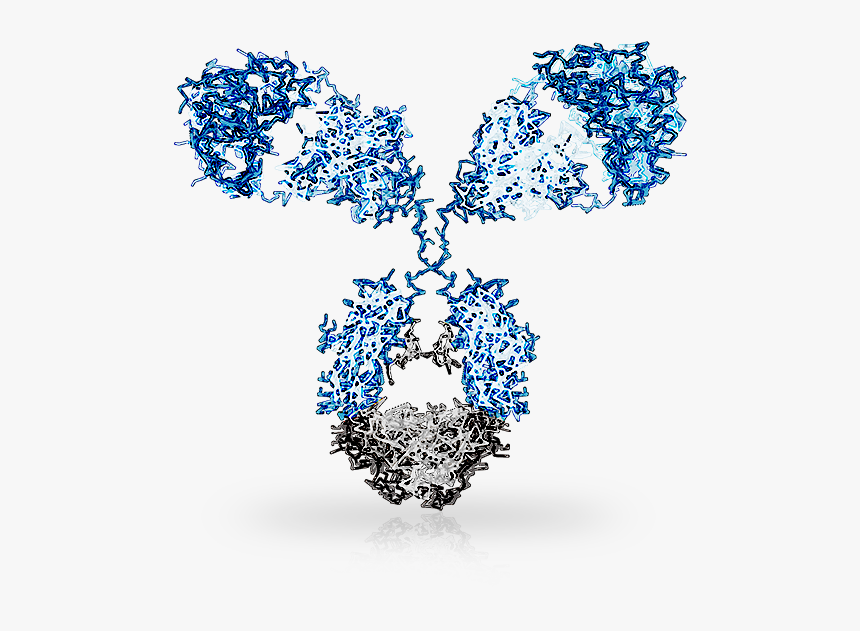
IgG
Purification Method
Antigen Affinity Purified
Conjugate
Non-conjugated
Buffer
PBS with 0.02% sodium azide, 50% glycerol, pH7.3.
Form
Liquid
Stroage
Upon receipt, store at -20°C or -80°C. Avoid repeated freeze.
Target Names
CARD9
Research Areas
Cell biology
Share