ABCbiolab
SKU:ABCF05957
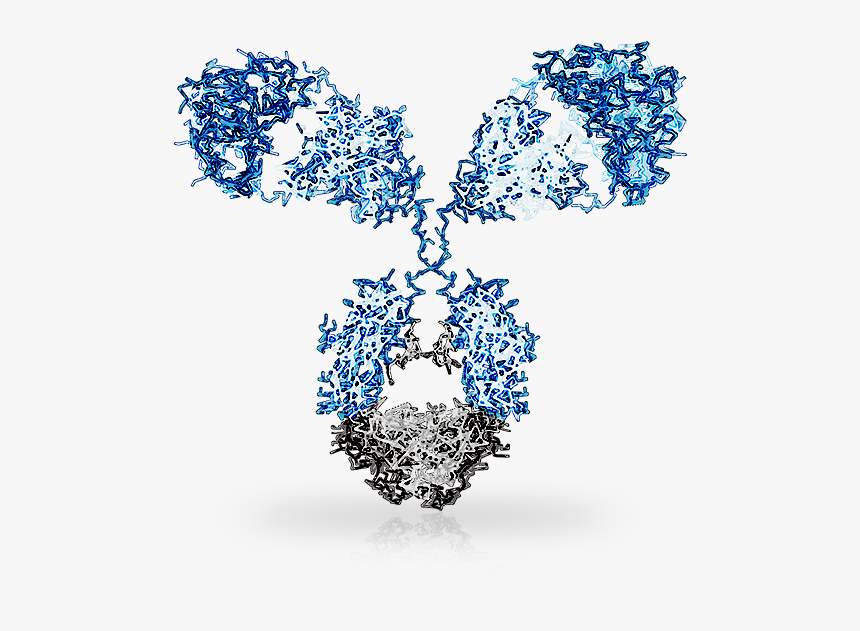
anti- p65/RELA antibody
anti- p65/RELA antibody
Couldn't load pickup availability
Host
Rabbit
Uniprot ID
Q04206
Form
liquid
Purification
Immunogen affinity purified
Purity
>= 95%
as determined by SDS-PAGEClonality
polyclonal
Clone ID
Isotype
IgG
Storage
PBS with 0.02% sodium azide and 50% glycerol pH 7.3,-20℃ for 12 months(Avoid repeated freeze / thaw cycles.)
Background
Nuclear factor k B(NF-kB) is a sequence-specific DNA-binding protein complex which regulates the expression of viral genomes, including the human immunodeficiency virus, and a variety of cellular genes, particularly those involved in immune and inflammatory responses. The members of the NF-Kb family in mammalian cells include the proto-oncogene c-Rel,p50/p105(NFkB1), p65(RelA), p52/p100(NFkB2), and RelB. All of these proteins share a conserved 300-amino acid region known as the Rel homology domain which is responsible for DNA binding, dimerization, and nuclear translocation of NF-Kb. The p65 subunit is a major component of NF-Kb complexes and is responsible for trans-activation. NF-kappa-B heterodimeric p65-p50 and p65-c-Rel complexes are transcriptional activators. The NF-kappa-B p65-p65 complex appears to be involved in invasin-mediated activation of IL-8 expression. The inhibitory effect of I-kappa-B upon NF-kappa-B the cytoplasm is exerted primarily through the interaction with p65. p65 shows a weak DNA-binding site which could contribute directly to DNA binding in the NF-kappa-B complex. It associates with chromatin at the NF-kappa-B promoter region via association with DDX1. This antibody is a rabbit polyclonal antibody raised against residues near the N terminus of human RELA.
Immunogen
v-rel reticuloendotheliosis viral oncogene homolog A(avian)
Synonyms
NFKB 3, NFKB p65, NFKB3, p65, RELA, Transcription factor p65
Observed MW
65 kDa
Reactivity
Human, Mouse, Rat, Pig
Tested Application
ELISA, IHC, IF, IP, WB, FC
Recommended dilution
WB: 1:500-1:5000; IP: 1:500-1:5000; IHC: 1:50-1:200; IF: 1:10-1:100
Gene ID
5970
Research Area
Metabolism, Immunology, Cancer, Stem Cells, Cell Division and Proliferation
Share