ABCbiolab
SKU:ABCCS00437
ADAR Antibody
ADAR Antibody
Couldn't load pickup availability
Size
100ul
Clone Number
7H12
Aliases
Double-stranded RNA-specific adenosine deaminase (DRADA) (EC 3.5.4.37) (136 kDa double-stranded RNA-binding protein) (p136) (Interferon-inducible protein 4) (IFI-4) (K88DSRBP), ADAR, ADAR1 DSRAD G1P1 IFI4
Immunogen Species
Homo sapiens (Human)
UniProt ID
P55265
Immunogen
A synthesized peptide derived from human ADAR1
Raised in
Species Reactivity
Human
Tested Applications
ELISA, IHC; Recommended dilution: IHC:1:50-1:200
Background
Catalyzes the hydrolytic deamination of adenosine to inosine in double-stranded RNA (dsRNA) referred to as A-to-I RNA editing. This may affect gene expression and function in a number of ways that include mRNA translation by changing codons and hence the amino acid sequence of proteins; pre-mRNA splicing by altering splice site recognition sequences; RNA stability by changing sequences involved in nuclease recognition; genetic stability in the case of RNA virus genomes by changing sequences during viral RNA replication; and RNA structure-dependent activities such as microRNA production or targeting or protein-RNA interactions. Can edit both viral and cellular RNAs and can edit RNAs at multiple sites (hyper-editing) or at specific sites (site-specific editing). Its cellular RNA substrates include: bladder cancer-associated protein (BLCAP), neurotransmitter receptors for glutamate (GRIA2) and serotonin (HTR2C) and GABA receptor (GABRA3). Site-specific RNA editing of transcripts encoding these proteins results in amino acid substitutions which consequently alters their functional activities. Exhibits low-level editing at the GRIA2 Q/R site, but edits efficiently at the R/G site and HOTSPOT1. Its viral RNA substrates include: hepatitis C virus (HCV), vesicular stomatitis virus (VSV), measles virus (MV), hepatitis delta virus (HDV), and human immunodeficiency virus type 1 (HIV-1). Exhibits either a proviral (HDV, MV, VSV and HIV-1) or an antiviral effect (HCV) and this can be editing-dependent (HDV and HCV), editing-independent (VSV and MV) or both (HIV-1). Impairs HCV replication via RNA editing at multiple sites. Enhances the replication of MV, VSV and HIV-1 through an editing-independent mechanism via suppression of EIF2AK2/PKR activation and function. Stimulates both the release and infectivity of HIV-1 viral particles by an editing-dependent mechanism where it associates with viral RNAs and edits adenosines in the 5'UTR and the Rev and Tat coding sequence. Can enhance viral replication of HDV via A-to-I editing at a site designated as amber/W, thereby changing an UAG amber stop codon to an UIG tryptophan (W) codon that permits synthesis of the large delta antigen (L-HDAg) which has a key role in the assembly of viral particles. However, high levels of ADAR1 inhibit HDV replication.
Clonality
Monoclonal
Isotype
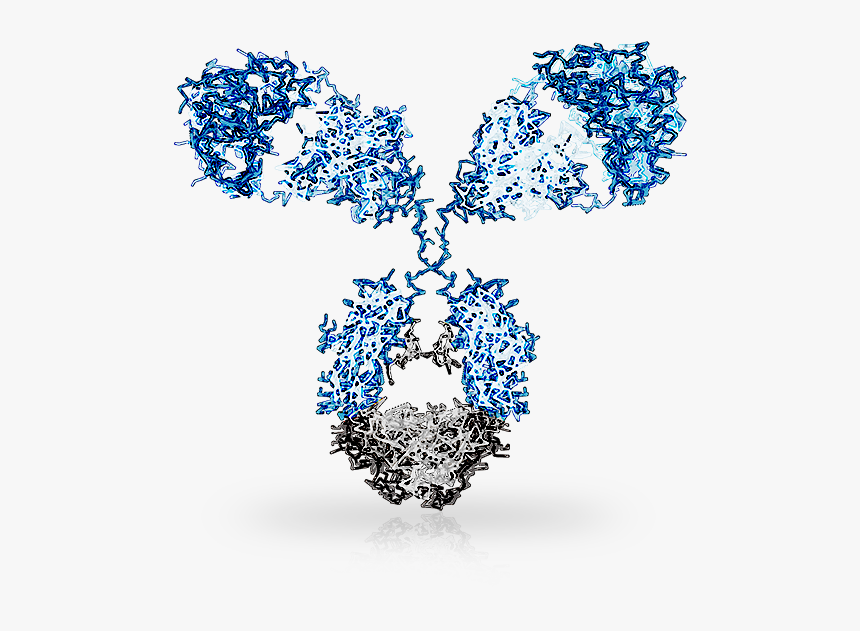
Rabbit IgG
Purification Method
Affinity-chromatography
Conjugate
Non-conjugated
Buffer
Rabbit IgG in phosphate buffered saline, pH 7.4, 150mM NaCl, 0.02% sodium azide and 50% glycerol.
Form
Liquid
Stroage
Upon receipt, store at -20°C or -80°C. Avoid repeated freeze.
Target Names
ADAR
Research Areas
Epigenetics and Nuclear Signaling; Microbiology
Share